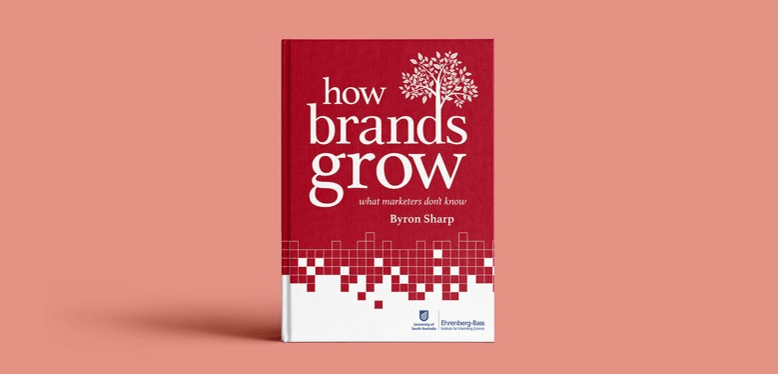
In my marketing career, managing diverse portfolios across various Asian markets and a few global FMCG corporations, I’ve encountered principles that significantly shape brand growth. Byron Sharp’s “How Brands Grow” is one such resource that provides empirical evidence and challenges conventional marketing wisdom. Here, I’ll delve into Sharp’s key insights and relate them to my practical experiences managing Listerine brand at Johnson & Johnson a few years ago.
Exploring Distinctive Brand Assets
During my tenure managing Listerine, the importance of distinctive brand assets became apparent. Byron Sharp posits that unique visual and sensory cues—logos, colors, and packaging—are critical in making a brand memorable. Listerine’s distinctive bottle shape, coupled with its bold label and vibrant colors, sets it apart from competitors. Additionally, Listerine’s Germ Kill power claim and its relatively stronger intensity are key attributes that differentiate it from other mouthwashes. These elements are not just decorative; they play a crucial role in brand recognition and consumer recall.
I am showcasing a brand collaboration between Listerine and 29cm, a Korean online fashion marketplace, which clearly highlights Listerine’s distinctive brand assets through a product shot and branded promotional items.
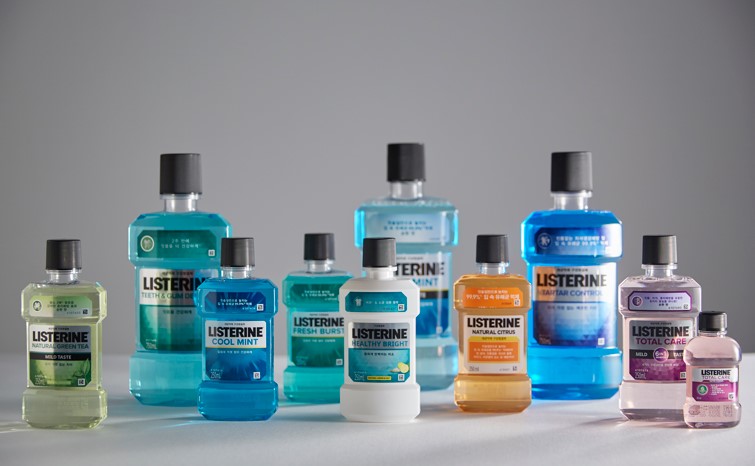


ChiefTree’s Spark: In your marketing strategy, identify and cultivate unique brand assets that resonate with your audience. Consistently present these elements across all touchpoints to reinforce your brand identity, making it easily recognizable and memorable. For Listerine, maintaining a distinctive bottle design, consistent visual cues like Waterman, and emphasizing its Germ Kill power and strong intensity (plus ultimate freshening) significantly boosted brand recognition. This demonstrates the power of unique brand assets. What are your brand’s distinctive assets?
The Power of Mental Availability
Byron Sharp emphasizes mental availability, which refers to how easily a brand comes to mind in purchasing situations. Ensuring Listerine was consistently present across various media channels was crucial. By maintaining a strong presence through TV, digital, and in-store advertising, Listerine stayed top-of-mind and within the consideration set for consumers. This is especially important in competitive markets like Korea and Japan. Minimizing ‘going dark’ periods after major media campaigns is also essential. Continuous engagement with consumers ensures that the brand remains top-of-mind when they are making purchasing decisions.
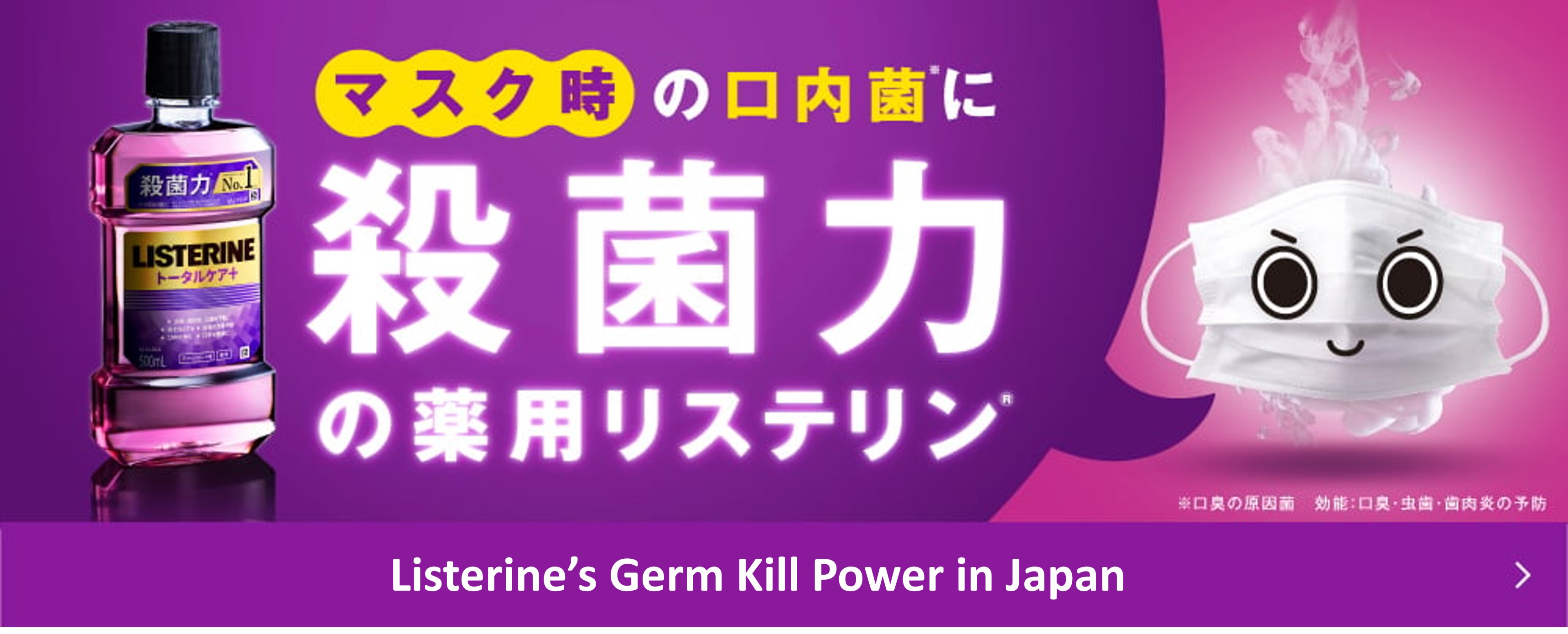
Sharp’s research shows that brands grow by increasing mental availability among consumers. For example, when consumers think of mouthwash, Listerine often comes to mind first due to strategic and persistent brand-building efforts that emphasize its distinctive bottle, bold branding, and Germ Kill power. In Japan, Listerine has highlighted its unique bottle, the purple color of its Total Care line, and Germ Kill power across all key consumer touchpoints like TV, digital, in-store, PR, and professional marketing, etc. This strategy has been very successful, contributing to consistent brand growth in the market.
ChiefTree’s Spark: To boost your brand’s mental availability, invest in broad-reach advertising that keeps your brand top-of-mind. Utilize various media channels to reach a wide audience and reinforce your brand message consistently. Avoid ‘going dark’ periods to maintain continuous consumer engagement. This strategy was pivotal in my work with Listerine, where ensuring constant visibility led to higher consumer recall, increased market share, and consistent brand growth.
Enhancing Physical Availability
Physical availability, or the ease of purchasing a product, is another cornerstone of Sharp’s theory. Ensuring Listerine was easily accessible across various distribution channels was key. This meant not only being present in as many stores as possible but also optimizing shelf placement and availability in both urban and rural areas as well as modern trade and general trade stores. If Listerine products were not available where consumers intended to purchase, they would likely choose an alternative instead of delaying their purchase, as mouthwash is a readily replaceable item.
For instance, making sure Listerine products were available in convenience stores, supermarkets, drug stores, and eCommerce across key markets like South Korea significantly increased their physical reach. This widespread availability made it easy for consumers to purchase Listerine whenever and wherever they needed it.
ChiefTree’s Spark: Evaluate your brand’s distribution strategy to ensure maximum physical availability. Are your products easily accessible where your target consumers shop? Eliminate any barriers to purchase, as most consumers will choose an alternative if your product is unavailable. This approach, which I applied with Listerine, ensures that products are always within reach, driving sales and growth.
Challenging the Myth of Brand Loyalty
Sharp challenges the traditional focus on brand loyalty, suggesting that growth comes more from attracting a large number of light buyers rather than a small group of loyal customers. Brand popularity matters than brand loyalty. In 2017, Listerine faced a significant challenge in Korea when local competitor Garglin launched a ‘free of dye’ campaign, creating a negative impression of Listerine’s colored variants. Initially, Listerine focused on defending our loyal consumers by highlighting Listerine’s safety, its status as the number one global brand, and its long and proven history at that time. However, this approach could not turn around the market share loss to Garglin.

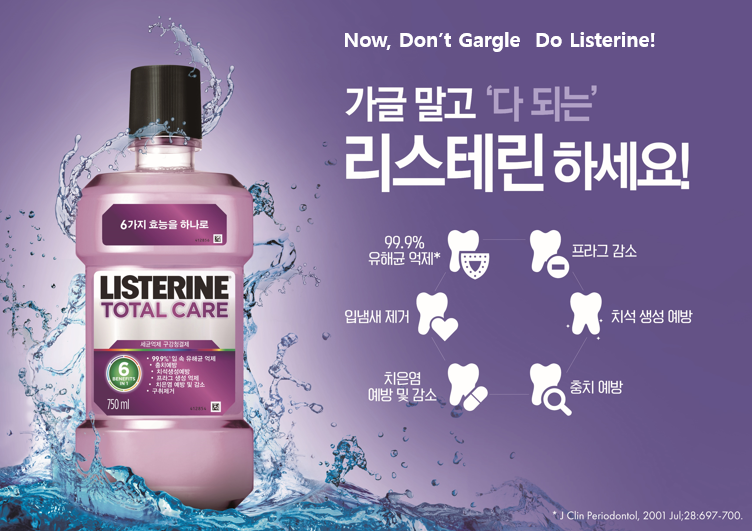
The turning point came when Listerine shifted its focus to attracting new consumers by launching Listerine whitening in 2018. This product introduction successfully recruited new users who are not interested in mouthwash category and category light consumers with newness and allowed Listerine to reclaim its position as the number one mouthwash brand in Korea within 6 months. This strategy highlighted the importance of aiming to recruit new users for penetration than retaining loyal consumer groups and increasing the brand’s overall popularity.
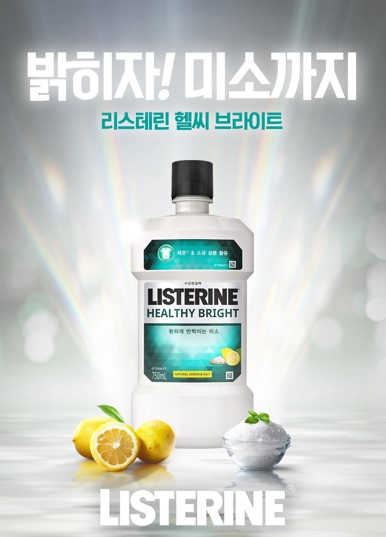
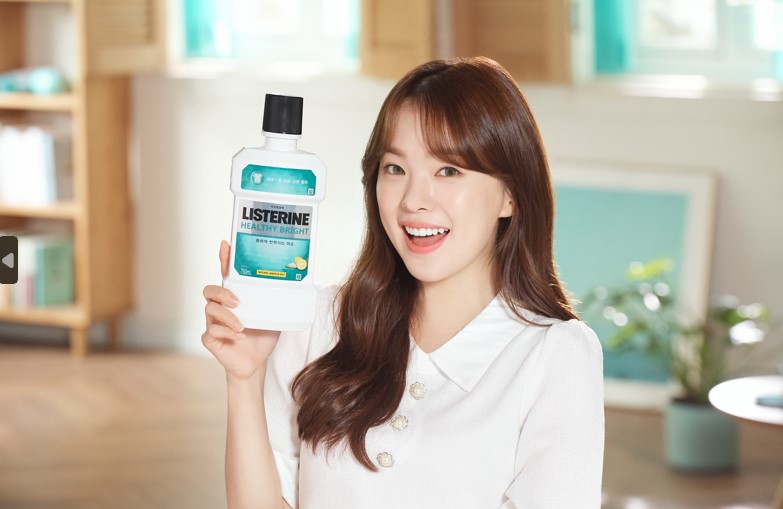
ChiefTree’s Spark: Shift your focus from solely cultivating brand loyalty to increasing overall market penetration. Aim to reach a broader audience, attracting light buyers who may purchase infrequently but collectively contribute to significant and sustainable growth. Brand popularity matters than brand loyalty. This strategy proved effective in my career, where launching new products like Listerine Whitening led to sustained brand growth and helped regain market leadership.





 ChiefTree's Blog
Leave a comment