Although I’d heard the term “Radical Candor” many times, I never truly understood its depth. In 2025, as I set out to lead with more courage and elevate my team, I finally picked up Kim Scott’s Radical Candor. What I expected to be a collection of leadership clichés turned out to be a transformative framework that reshaped how I think about growth, feedback, and trust.
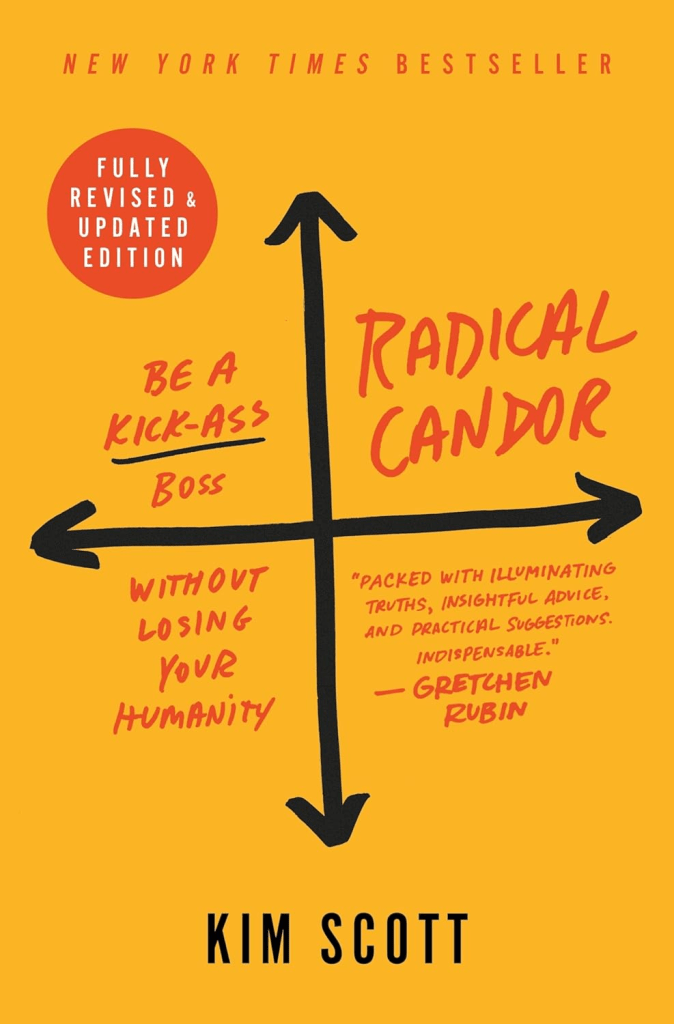
What is Radical Candor?
Caring personally while also challenging directly.
“It’s about caring deeply for the person in front of you, while saying what needs to be said—clearly and kindly.”
The Two Core Components to achieve Radical Candor
- Care Personally
- Genuinely care about others not just as colleagues, but as people.
- Show you respect and value their growth.
- Challenge Directly
- Be honest and clear—especially when it’s hard.
- Acknowledge strengths and name areas to improve.
The Four Feedback Quadrants: : Where Do You Stand?
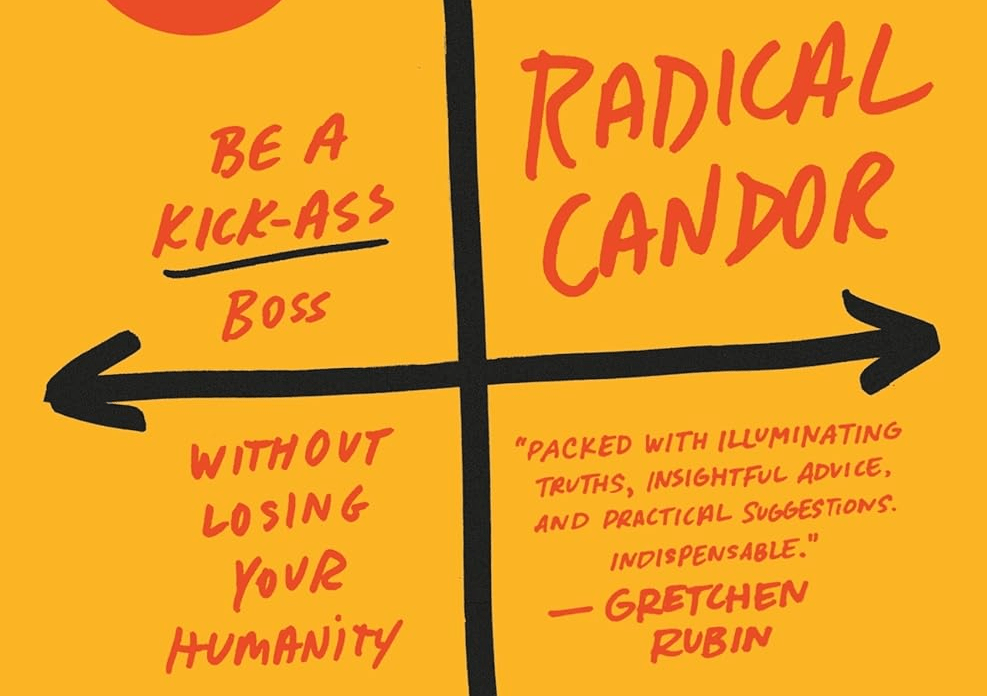
Radical Candor is best understood through a simple 2×2 matrix combining care and challenge:
| Style | Description | Example |
|---|---|---|
| Radical Candor (Caring + Direct) | Say what needs to be said with heart | “Your presentation was solid, but the main point got a bit lost—let’s work on sharpening that together.” |
| Ruinous Empathy (Caring but Indirect) | Avoids difficult truths to protect feelings | “Great job!” (Even if they needed improvement) |
| Obnoxious Aggression (Direct but Not Caring) | Harsh truth with no empathy | “That was terrible—what were you thinking?” |
| Manipulative Insincerity (Neither Caring nor Direct) | Passive-aggressive, political behavior | Compliments in public, complaints behind their back |
Why Does Radical Candor Matter?
Honest feedback is essential for personal and team growth. But without genuine care, feedback can feel like criticism. Radical Candor creates space for growth and action, rooted in trust and respect.
ChiefTree’s Spark: Building trust is foundational. Without trust, even honest feedback can quickly turn into blame or criticism, damaging relationships and team morale. Trust starts with genuinely getting to know one another, understanding motivations, strengths, and areas for growth. Only when mutual trust exists can honest conversations lead to meaningful growth and action rather than defensiveness or conflict.
How to Practice Radical Candor: The GSD Wheel
Kim Scott offers a practical team framework called the Get Stuff Done (GSD) Wheel—a flow for building culture and results:
- Listen – Encourage open, honest input.
- Clarify – Ensure mutual understanding before moving forward.
- Debate – Create space for constructive disagreement.
- Decide – Make aligned choices, even without full consensus.
- Persuade – Share context to bring others along.
- Execute – Prioritize and follow through.
- Learn – Reflect, adjust, and improve.
ChiefTree’s Spark: Creating an environment safe enough for honest opinions and delaying rapid conclusions is crucial, especially for critical decisions. As a leader, evaluating which topics deserve deeper discussion is essential for efficiency. I believe fundamental issues related to team role & responsibility, performance & development, business direction, or root-cause analyses are prime candidates for thoroughly applying the GSD approach. Also, let’s not forgot starting from LISTEN! 🙂
Putting It into Practice: My Radical Candor in Action
I introduced Radical Candor during one of our Asia team’s bi-weekly meetings earlier this year. I shared its core principles and why I believed it can help us have more open, effective conversations—especially around feedback and decision-making.
Since then, when I’ve spotted opportunity areas, I’ve reached out to individuals one-on-one—sharing observations and suggestions with honesty, but always grounded in care. Because we’ve built strong trust over the past three years, these conversations didn’t create tension—they sparked progress.
What stood out most was how quickly we started addressing long-standing issues that had been hard to shift. Radical Candor helped us name what mattered and move forward with clarity and courage.
It’s not about being blunt.
It’s about being real—at the right time, in the right way.
And this journey is just getting started.





 ChiefTree's Blog
Leave a comment