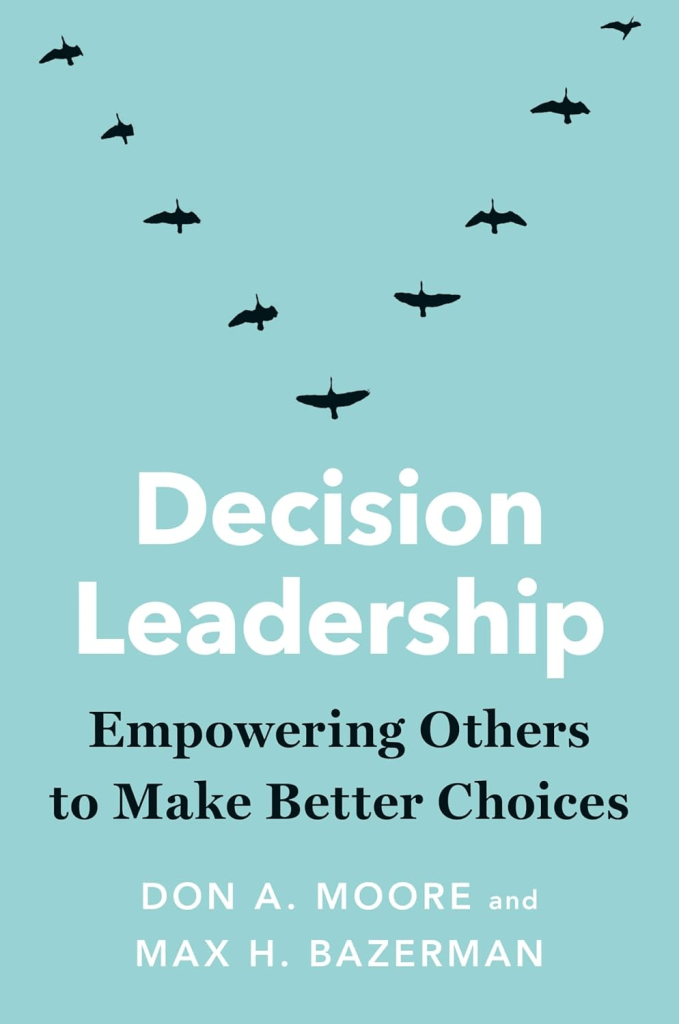
We often lionize leaders as heroic individuals who make the “big call” through sheer intuition. But after 15 years in FMCG, and leading the Mars Snacking Asia Gum, Mints, Fruity Confectionery cluster, I’ve learned a more prosaic yet profound truth: Great leadership is about being a Decision Architect.
In Decision Leadership, Max Bazerman and Don Moore argue that our goal shouldn’t be to make one great choice, but to design a “Better Decision Factory”—an environment where effective and efficient decisions are the natural output of the system. This perspective shifts the focus from the “heroic moment” to the intentional design of our team’s daily decision-making processes.
1. Choice Architecture: Shaping Environments for Sustainable Growth
A leader’s most powerful tool is the capacity to design the environment—the Choice Architecture—in which others operate. By establishing “Wise Defaults,” we can nudge our teams toward more ethical and effective outcomes while preserving their autonomy.
ChiefTree’s Spark: Mutuality in the Cluster Model. In our Mars Asia cluster, our incentive structure is a living example of this architecture. Unlike models that reward only individual market performance, our annual incentives are tied to the total Asia target. This strategic design ensures we prioritize long-term and sustainable growth over short-term individual spikes. <u>It creates the “breathing room” necessary for better decisions; for instance, when a specific market faces external headwinds, others—such as our team in Korea—can pivot to over-deliver for the cluster. Because we win or lose as a region, we move away from zero-sum thinking and truly live the principle of Mutuality
2. Mental Frames: Cultivating the Scout Mindset
The authors distinguish between the Soldier Mindset (defending a pre-existing position) and the Scout Mindset (seeking the most accurate map of reality). Leaders must champion Deliberative Thinking (System 2) over Intuitive Impulses (System 1) to eliminate the “Siren song” of overconfidence.
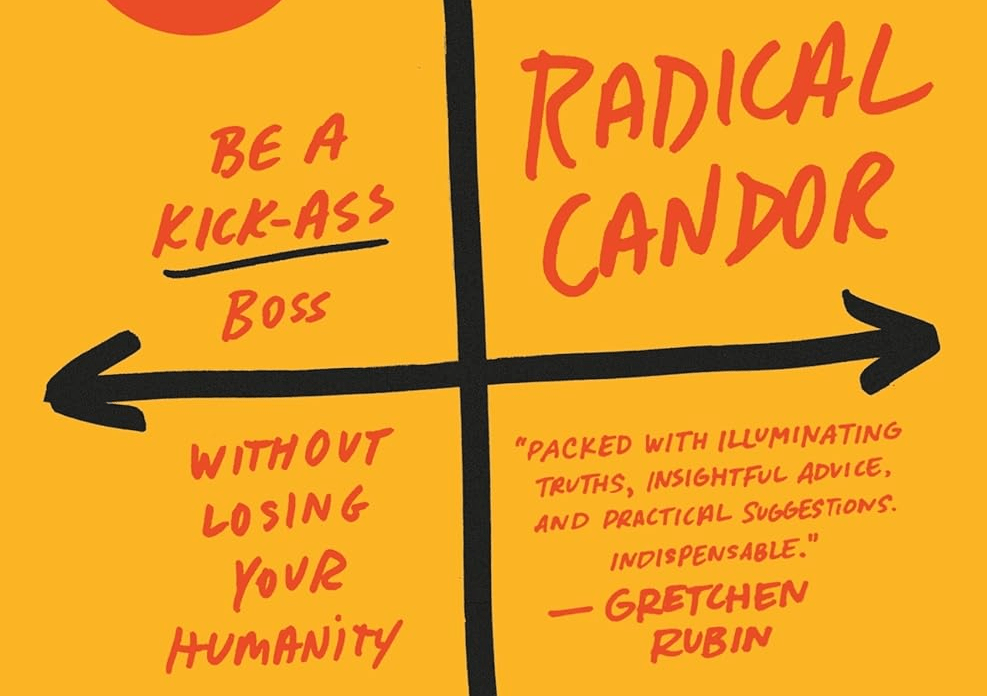
ChiefTree’s Spark: I’ve written before about Radical Candor. In a “Decision Factory,” Radical Candor is the essential fuel that allows us to “Farm for Dissent.” By challenging directly while caring personally, we create a culture where the Scout Mindset thrives. It empowers the team to dissect the raw data of our campaigns and innovations with brutal honesty. This ensures that our “road map” of the Asian consumer is not only desirable and accurate but also grounded in feasibility and viability. In this environment, we don’t just protect our ideas; we stress-test them to ensure they can survive and thrive in the real world.
3. Steering the Ship: Experimentation and Progress for the Right Direction
A robust factory requires constant calibration. Leaders should prioritize Experimentation and monitor the Progress of Decision Quality to ensure the organization is moving in the right direction, rather than just obsessing over static ROI.
ChiefTree’s Spark: The 70:20:10 Principle To guide the complexity of my team, I have utilized the 70:20:10 Principle as a principle and guidance for our consumer-facing communication and investment:
- 70% (Proven): Core activities executed with maximum efficiency.
- 20% (Adaptation): Best practices utilized outside Mars that we have not adopted yet.
- 10% (Pioneering): True “first-in-market” use cases, often collaborating with platform partners like Google/Meta to create new industry benchmarks. This ensures we are constantly testing and monitoring our progress toward the future and build our reputation.
4. Purpose: The North Star of Sustainable Value Creation
Leadership is about a “Higher Purpose.” Using concepts like the “Veil of Ignorance,” leaders are encouraged to make decisions that create the most value for all stakeholders—employees, customers, and communities.
ChiefTree’s Spark: Purpose-Driven Leadership. Just as the Mars Five Principles provide our foundation, our team co-created and signed our own Purpose Statement for Gum, Mints, and Fruity Confectionery.
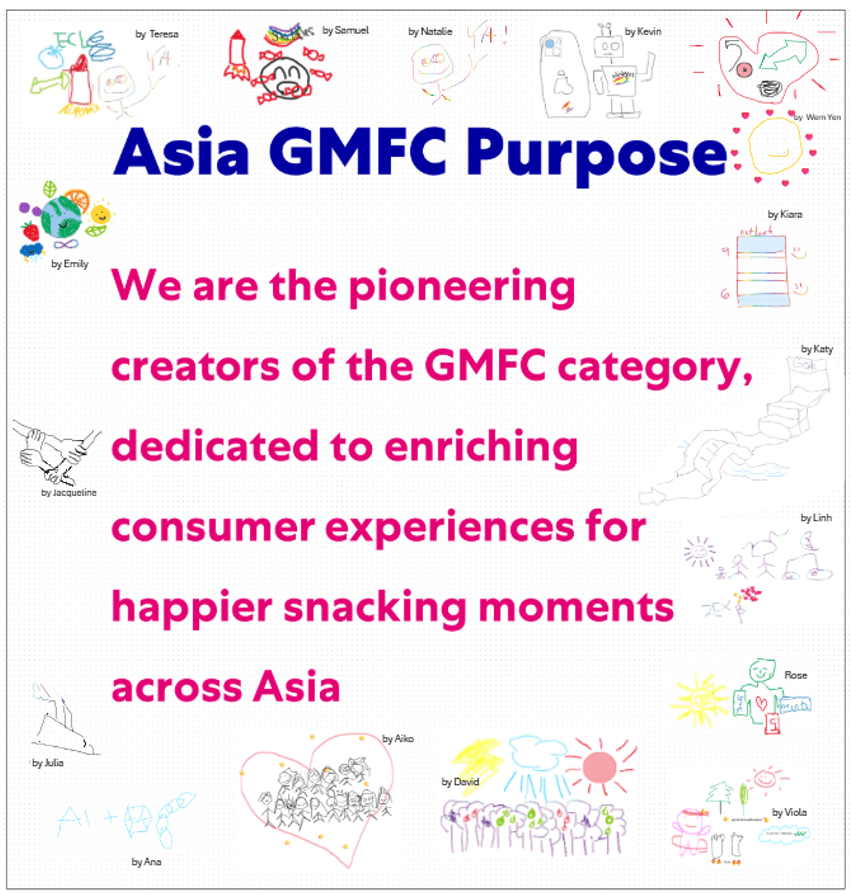
This statement acts as our “Ultimate Default.” When faced with complex trade-offs across 20+ diverse markets, we return to this shared purpose to ensure our decisions are oriented toward our long-term purposeful and sustainable goals.
Looking Ahead: Refining the Factory
This journey through Decision Leadership has provided a strategic roadmap for the next evolution of our team:
- Instituting a Devil’s Advocate: I plan to formally assign a Devil’s Advocate for key strategic decisions. The goal is to move beyond polite consensus and explicitly stress-test our logic, ensuring our plans can withstand the “brutal honesty” in the markets.
- Encouraging the Process over the Outcome: I will focus more on Rewarding the Decision Process itself. It’s about recognizing the rigor and bravery of the “Scout” who followed a sound process, even when the final outcome was impacted by external luck or unforeseen headwinds.
- Monitoring Progress via Continuous Reminders: A “Decision Factory” only runs smoothly with a consistent heartbeat. My next agenda is to establish continuous reminders and monitoring systems within our business cycles. I will seek better ways to not only track ROI but to consistently encourage and measure the progress of our decision quality to ensure we are always moving in the right direction.
ChiefTree’s Spark: Scaling via Architecture
As I scale my leadership, the constraints of physical time and emotional energy become more evident. It is a reality every growing leader faces: you simply cannot be the bottleneck for every decision.
True impact comes from Scaling through Architecture. By building an effective & efficient process and anchoring our work in a Higher Purpose, we lead the decisions we cannot personally make. Managing the diversity of Asia taught me that centralization is a trap; instead, setting clear Principles and Rewarding the right deliberative behaviors is what allowed our business to achieve consistent high growth over the last three years. In this environment, Choice Architecture is the only way to turn complexity into a sustainable competitive advantage.
“I am deeply grateful to a mentor of mine who gifted me this book with a heartfelt recommendation. What I initially thought would be a simple leadership read turned into a profound learning journey that reshaped how I view my role as a leader today.”




Leave a comment